Meet Inspiring Speakers and Experts at our 3000+ Global Events with over 1000+ Conferences, 1000+ Symposiums and 1000+ Workshops on Medical, Pharma, Engineering, Science, Technology and Business.

Explore and learn more about Conference Series : World’s leading Event Organizer

Conference Series Conferences gaining more Readers and Visitors

Conference Series Web Metrics at a Glance

  • 3000+ Global Events
  • 100 Million+ Visitors
  • 75000+ Unique visitors per conference
  • 100000+ Page views for every individual conference

Unique Opportunity! Online visibility to the Speakers and Experts

Euro Pharmacology 2027

About Conference


Conference Series LLC Ltd welcomes all the speakers and delegates from around the world to join “23rd Annual Congress on Pharmacology and Toxicology” during February 15-16, 2027 Paris, France.

Euro Pharmacology 2027 focuses on the importance of recognizing drugs and how they can influence human physiology. It is with a better knowledge of pharmacology that one can know the right dose and the right amount of drug forms. More and more research in pharmacology deals with the recognition and reaction to the exchanges of drugs and their side effects as well as its method of action, its therapeutic index and so treated accordingly. Further study of the interaction between drugs combined with its therapeutic effect makes it possible to identify the properties of ideal drugs.

Why to attend?

Join your lords around the world focused on knowledge about Pharmacology and related developments, which is your solitary best chance to reach the largest accumulation of members from the Pharmacology communal, conduct protests, distribute information, meet with current and potential professionals, make a squish with a new research works, and receive name acknowledgement at this two-day event. 

Target Audience:

  • Researchers

  • Directors, CEO’s of Organizations

  • Scholars from Pharmacology, Pharmaceutical, Toxicology backgrounds

  • PhD Scholars

  • Drug Delivery Technology Manufacturers

  • Business Development Managers

  • Distributors and Suppliers of Drug Delivery Technologies

  • Students, Professors, Researchers, and Faculty of Pharmacology & Pharmaceutical Sciences from Universities and Medical Colleges

  • Researchers from Pharmaceutical Companies, Pharmacy & Pharmacology Associations and Societies

  • Pharmacists, Pharmacologists, & Toxicologists

  • Business development professionals, Consultants, Pharma, and  Toxicology Testing service providers

  • Toxicology Testing Companies & Organizations


Sessions and Tracks

Track 1: Clinical Pharmacology and Therapeutics

Clinical Pharmacology focuses on the safe and effective use of medicines in patients through evidence-based therapeutic strategies. This track explores drug development, pharmacokinetics, pharmacodynamics, personalized dosing, and medication optimization. Discussions will highlight innovative treatment approaches, therapeutic drug monitoring, and precision medicine applications. Experts will present advancements in clinical trials, patient safety, and adverse drug reaction management. Emerging therapies and real-world clinical outcomes will also be emphasized. The session aims to improve healthcare quality through rational and individualized pharmacotherapy.

Track 2: Experimental Pharmacology

Experimental Pharmacology investigates the biological effects of drugs using laboratory models and preclinical research techniques. This track covers in vitro and in vivo studies, drug screening methods, disease models, and pharmacological evaluations. Researchers will discuss innovative experimental designs for discovering novel therapeutic compounds. Sessions include receptor pharmacology, signal transduction, and translational research approaches. Advances in laboratory technologies supporting drug discovery will be highlighted. The track bridges basic science and clinical applications for future medicines.

Track 3: Toxicology and Risk Assessment

Toxicology examines the harmful effects of chemicals, drugs, and environmental agents on living organisms. This track focuses on toxicity testing, exposure assessment, hazard identification, and risk evaluation methodologies. Participants will explore regulatory toxicology, chemical safety standards, and emerging toxicological biomarkers. Topics include dose-response relationships, toxic mechanisms, and preventive strategies. Experts will discuss modern approaches for assessing human and environmental health risks. The session supports safer chemical and pharmaceutical development.

Track 4: Drug Discovery and Development

Drug discovery involves identifying promising therapeutic targets and transforming them into effective medicines. This track covers target validation, lead optimization, medicinal chemistry, and preclinical evaluation. Discussions include innovative technologies such as AI-driven drug discovery and computational screening. Researchers will present successful translational strategies from laboratory research to clinical trials. Novel drug delivery systems and formulation development will also be explored. The session highlights the complete journey from concept to approved therapy.

Track 5: Pharmacokinetics and Pharmacodynamics

Understanding how drugs move through the body and produce therapeutic effects is fundamental to modern pharmacology. This track explores drug absorption, distribution, metabolism, excretion, and receptor interactions. Sessions focus on dose optimization, therapeutic efficacy, and variability among patient populations. Experts will discuss mathematical modeling, simulation techniques, and population pharmacokinetics. Emerging technologies improving individualized treatment plans will be presented. This track supports safer and more effective medication management.

Track 6: Molecular and Cellular Pharmacology

Molecular and Cellular Pharmacology investigates drug actions at the genetic, molecular, and cellular levels. This track highlights receptor biology, intracellular signaling pathways, gene regulation, and molecular targets. Researchers will discuss innovative therapeutic interventions based on cellular mechanisms. Topics include cell-based assays, molecular imaging, and systems pharmacology. Advances in biotechnology supporting targeted therapies will also be featured. The session enhances understanding of disease mechanisms and precision medicine.

Track 7: Neuropharmacology

Neuropharmacology explores the interaction of drugs with the nervous system to treat neurological and psychiatric disorders. This track covers neurotransmitter systems, neurodegenerative diseases, pain management, epilepsy, and psychiatric therapeutics. Researchers will discuss emerging treatments for Alzheimer's disease, Parkinson's disease, and depression. Advances in neuroprotective agents and brain-targeted drug delivery will be highlighted. Innovative neuroscience research supporting therapeutic discoveries will also be presented. The track promotes better neurological healthcare outcomes.

Track 8: Cardiovascular Pharmacology

Cardiovascular Pharmacology focuses on medications that prevent and treat heart and vascular diseases. This track discusses antihypertensive drugs, anticoagulants, lipid-lowering therapies, heart failure management, and vascular biology. Sessions include personalized cardiovascular treatments and novel therapeutic targets. Researchers will explore emerging cardiovascular biomarkers and precision medicine approaches. Advances in clinical pharmacology for improving cardiac outcomes will be emphasized. The track supports innovation in cardiovascular therapeutics.

Track 9: Cancer Pharmacology

Cancer Pharmacology examines the development and evaluation of anticancer drugs and targeted therapies. This track covers chemotherapy, immunotherapy, precision oncology, resistance mechanisms, and combination treatments. Discussions include biomarker-guided therapy, molecular targets, and translational cancer research. Researchers will present advances in personalized cancer treatment strategies. Novel drug delivery technologies for oncology applications will also be explored. The session aims to improve cancer patient survival and quality of life.

Track 10: Pharmacogenomics and Precision Medicine

Pharmacogenomics studies how genetic variations influence individual responses to medications. This track focuses on personalized drug therapy, genomic biomarkers, and individualized treatment strategies. Sessions explore genetic testing, precision prescribing, and pharmacogenomic clinical implementation. Researchers will discuss advances in genomic technologies and data integration. Ethical, regulatory, and clinical considerations will also be addressed. The track promotes safer and more effective precision healthcare.

Track 11: Environmental Toxicology

Environmental Toxicology investigates the effects of pollutants and hazardous substances on ecosystems and human health. This track explores chemical contaminants, pesticides, heavy metals, and industrial pollutants. Discussions include environmental monitoring, ecological risk assessment, and sustainable toxicology practices. Researchers will present innovative methods for detecting environmental hazards. Climate-related toxicological challenges and preventive strategies will also be featured. The session supports global environmental protection initiatives.

Track 12: Regulatory Pharmacology and Toxicology

Regulatory Pharmacology ensures that medicines and chemicals meet international safety, efficacy, and quality standards. This track discusses regulatory guidelines, pharmacovigilance, clinical trial regulations, and safety documentation. Experts will explore global approval processes and post-marketing surveillance. Emerging regulatory frameworks for advanced therapies will be highlighted. Sessions also address compliance, quality assurance, and ethical standards. The track strengthens global pharmaceutical regulation and patient safety.

Track 13: Pharmacovigilance and Drug Safety

Pharmacovigilance focuses on monitoring, detecting, and preventing adverse drug reactions throughout a medicine's lifecycle. This track explores safety reporting systems, benefit-risk evaluation, and signal detection techniques. Discussions include post-marketing surveillance and medication error prevention. Researchers will present digital technologies supporting pharmacovigilance activities. Global collaborations improving drug safety monitoring will be emphasized. The session enhances patient protection through continuous safety assessment.

Track 14: Pediatric and Geriatric Pharmacology

Drug therapy requires specialized approaches for children and older adults due to physiological differences. This track examines age-specific pharmacokinetics, dosing strategies, medication safety, and therapeutic effectiveness. Sessions focus on polypharmacy, adverse drug reactions, and individualized treatment plans. Researchers will discuss evidence-based prescribing for vulnerable populations. Emerging clinical guidelines will also be presented. The track supports safer medication practices across all age groups.

Track 15: Natural Products and Herbal Pharmacology

Natural Products Pharmacology investigates plant-derived compounds and traditional medicines with therapeutic potential. This track explores phytochemicals, herbal formulations, medicinal plants, and bioactive natural compounds. Discussions include scientific validation, safety evaluation, and clinical applications. Researchers will highlight innovative extraction technologies and pharmacological mechanisms. Integration of traditional knowledge with modern medicine will also be addressed. The session promotes evidence-based natural therapeutics.

Track 16: Nanopharmacology and Drug Delivery

Nanopharmacology applies nanotechnology to improve drug delivery, therapeutic targeting, and treatment effectiveness. This track covers nanoparticles, nanocarriers, liposomes, and controlled-release formulations. Discussions include targeted cancer therapies, vaccine delivery, and precision medicine applications. Researchers will present advances in nanomaterials and biomedical engineering. Safety assessment and regulatory considerations will also be explored. The session advances innovative pharmaceutical technologies.

Track 17: Computational Pharmacology and Artificial Intelligence

Computational Pharmacology integrates artificial intelligence, bioinformatics, and machine learning into drug discovery and development. This track explores predictive modeling, virtual screening, systems pharmacology, and digital therapeutics. Researchers will discuss AI-assisted clinical decision-making and personalized medicine. Big data analytics supporting pharmacological research will be highlighted. Emerging computational tools accelerating therapeutic innovation will also be presented. The session transforms pharmaceutical research through digital technologies.

Track 18: Reproductive and Developmental Toxicology

This track focuses on the effects of drugs and chemicals on fertility, pregnancy, fetal development, and reproductive health. Discussions include teratogenicity testing, developmental toxicity, endocrine disruption, and reproductive safety assessment. Researchers will present regulatory testing strategies and experimental models. Advances in maternal-fetal pharmacology will also be highlighted. Innovative methods for protecting reproductive health will be explored. The session supports safer therapeutic practices during pregnancy.

Track 19: Immunopharmacology

Immunopharmacology studies drugs that regulate immune system function to treat infectious, autoimmune, and inflammatory diseases. This track explores immunotherapies, vaccines, cytokine modulation, and immune signaling pathways. Discussions include biologics, monoclonal antibodies, and personalized immunotherapy. Researchers will present advances in immune-targeted treatments and translational research. Novel therapeutic strategies for immune disorders will also be highlighted. The session advances innovative immunological healthcare.

Track 20: Endocrine Pharmacology

Endocrine Pharmacology focuses on therapies targeting hormonal regulation and metabolic disorders. This track discusses diabetes, thyroid diseases, obesity, osteoporosis, and reproductive endocrinology treatments. Researchers will explore hormone receptor biology and emerging endocrine therapeutics. Precision medicine approaches for metabolic diseases will be highlighted. Advances in endocrine drug development and clinical research will also be presented. The session promotes improved management of endocrine disorders.

Track 21: Forensic Toxicology

Forensic Toxicology applies toxicological science to legal investigations involving drugs, poisons, alcohol, and chemical exposure. This track explores analytical techniques, toxicological interpretation, postmortem investigations, and laboratory quality assurance. Discussions include forensic case studies and emerging detection technologies. Researchers will present advances in toxicology laboratories and evidence interpretation. Ethical and legal considerations will also be addressed. The session strengthens forensic science and public safety.

Track 22: Occupational Health and Industrial Toxicology

Industrial Toxicology examines workplace exposure to hazardous chemicals and occupational health risks. This track discusses industrial safety, exposure monitoring, toxic substance management, and preventive health strategies. Researchers will explore occupational disease prevention and risk reduction techniques. Emerging technologies for workplace hazard assessment will be presented. Regulatory compliance and employee health protection will also be emphasized. The session promotes safer industrial environments.

Track 23: Pharmaceutical Biotechnology

Pharmaceutical Biotechnology integrates molecular biology, genetic engineering, and bioprocessing for developing advanced therapeutics. This track covers recombinant proteins, biosimilars, gene therapy, biologics, and vaccine technologies. Discussions include innovative manufacturing processes and quality control methods. Researchers will present breakthroughs in biotechnology-driven drug development. Regulatory challenges and commercialization strategies will also be explored. The session accelerates the future of biopharmaceutical innovation.

Track 24: Clinical Toxicology and Poison Management

Clinical Toxicology focuses on diagnosing, treating, and preventing poisoning caused by drugs, chemicals, toxins, and environmental exposures. This track discusses emergency toxicology, antidotes, poisoning surveillance, and critical care management. Researchers will present evidence-based clinical interventions and toxicological diagnostics. Advances in poison control systems and emergency preparedness will be highlighted. Novel therapeutic approaches for toxic exposures will also be explored. The session enhances patient care and emergency response.

Track 25: Emerging Trends in Pharmacology

This track highlights groundbreaking discoveries and future directions shaping pharmacological research and healthcare. Discussions include gene editing, RNA therapeutics, digital medicine, advanced biologics, and innovative therapeutic platforms. Researchers will explore disruptive technologies transforming drug development. Emerging interdisciplinary collaborations and translational research opportunities will be emphasized. Future challenges in pharmaceutical innovation will also be addressed. The session provides insights into the next generation of medical therapeutics.

Track 26: Global Challenges and Future Perspectives in Pharmacology and Toxicology

This concluding track examines worldwide challenges influencing pharmacology and toxicology research, education, and healthcare policy. Topics include antimicrobial resistance, global drug safety, sustainable pharmaceutical development, regulatory harmonization, and public health preparedness. Researchers will discuss international collaborations and multidisciplinary innovations. Sessions encourage knowledge exchange between academia, healthcare, industry, and regulatory organizations. Emerging opportunities for global research partnerships will also be explored. The track provides a comprehensive vision for advancing pharmacology and toxicology worldwide.


Market Analysis

Importance & Scope

The pharmaceutical industry comprises of companies that are engaged in research, development, manufacture and distribution drugs for human or veterinary use. The primary function of the research-based pharmaceutical corporations is to create value by discovering and producing effective medicines, vaccines and services that improve patients’ well-being, and can be sold in markets at a profit. As well as increasing shareholder value, this contributes significantly to the quality and protection of life and helps make the world a better place. In the past 60 years, innovation and technology have driven huge improvements in global health.
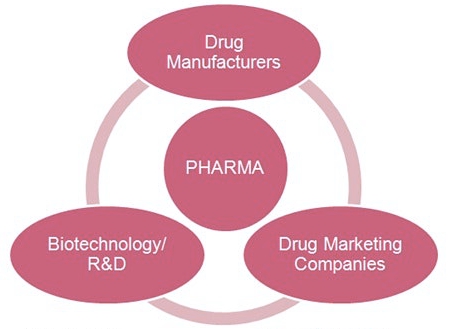
                                             

New drugs have an enormous positive influence on global health, prosperity and economic productivity by saving lives, increasing life spans, reducing suffering, preventing surgeries and shortening hospital stays. Advances in medicine have eliminated deadly diseases and have brought other life-threatening conditions under control. Drug therapy is now an integral part of nearly every facet of healthcare, and new breakthroughs promise to revolutionize the treatment of non-communicable diseases.

To Collaborate Scientific Professionals around the World

Conference Date February 15-16, 2027

For Sponsors & Exhibitors

sponsor@conferenceseries.com

Speaker Opportunity

Past Conference Report

Supported By

Journal of Forensic Toxicology & Pharmacology Clinical Pharmacology & Biopharmaceutics

All accepted abstracts will be published in respective Conference Series International Journals.

Abstracts will be provided with Digital Object Identifier by


Keytopics

  • Adrenergic System (drugs And Receptors)
  • Anthelmintics
  • Antianginal Drugs
  • Antiarrhythmic Drugs
  • Antibiotics (mechanisms And Resistance)
  • Anticancer Drugs (chemotherapeutic Agents)
  • Anticholinergics And Cholinesterase Inhibitors
  • Anticoagulants And Antiplatelets
  • Antidepressants
  • Antiemetics
  • Antiepileptics
  • Antifungals
  • Antihistamines
  • Antihypertensive Drugs
  • Antimalarials
  • Antipsychotics
  • Antitubercular Drugs
  • Antivirals
  • Bioavailability And Bioequivalence
  • Cholinergic System (drugs And Receptors)
  • Corticosteroids
  • Diuretics
  • Dose-response Relationship In Toxicology
  • Dose-response Relationships
  • Drug Absorption And Distribution
  • Drug Metabolism And Biotransformation
  • Drug Overdose And Antidotes
  • Drug-receptor Interactions
  • Drugs For Asthma And COPD
  • Drugs For Osteoporosis
  • Drugs For Parkinson?s Disease
  • Environmental And Occupational Toxicology
  • Enzyme Induction And Inhibition
  • Erythropoiesis-stimulating Agents
  • General And Local Anesthetics
  • Heart Failure Pharmacotherapy
  • Heavy Metal Poisoning (lead, Arsenic, Mercury)
  • Immunostimulants
  • Immunosuppressants
  • Insulin And Oral Antidiabetics
  • Iron, Vitamin B12, And Folate Supplementation
  • Laxatives And Antidiarrheals
  • Monoclonal Antibodies
  • Neuromuscular Blocking Agents
  • Opioid Analgesics And Antagonists
  • Organophosphate Poisoning
  • Pharmacodynamics
  • Pharmacokinetics (ADME)
  • Principles Of Toxicology
  • Proton Pump Inhibitors And Antacids
  • Risk Assessment And Management In Toxicology
  • Routes Of Drug Administration
  • Sedative-hypnotics And Anxiolytics
  • Sex Hormones And Contraceptives
  • Sympathomimetics And Sympatholytics
  • Therapeutic Index And Margin Of Safety
  • Thrombolytics
  • Thyroid And Antithyroid Drugs
  • Types Of Toxicity (acute, Chronic, Subchronic)
  • Vaccines And Adjuvants